Easy Gift Curation for Non-Gift-Giving People: The Beginner's Guide
We’ve all been there. The calendar page flips, a birthday approaches, or perhaps it's just that awkward corporate holiday luncheon—and suddenly, you are faced with the monumental task of gift giving. For those of us who approach gifting like we approach complicated calculus problems—with dread and minimal enthusiasm—the thought of finding something thoughtful for every single person on our roster can feel overwhelming. It’s not that you don't care; it's just that emotional labor, especially when tied to consumer spending, is exhausting.
If your natural inclination is to keep a comfortable distance from the whole ritual, please know you are absolutely normal. The pressure to be perfectly thoughtful, universally charming, and highly creative for every single recipient is often a myth designed by Hallmark card companies. The good news? You don't have to be Santa Claus or an artisanal gift-wrapping wizard just because a relationship exists. Learning easy gift curation for non-gift-giving people isn't about spending more time or money; it’s about making the process feel effortless, thoughtful, and—most importantly—sustainable for you.
Shifting Your Mindset: Redefining "Thoughtful" Gifting
The first, most crucial step in mastering this skill is dismantling your own definition of what a Papa 'good' gift looks like. We tend to equate monetary value with emotional value, which sets us up for failure every single time. True thoughtfulness doesn't come from the price tag; it comes from recognizing the recipient.
Instead of asking, "What expensive thing should I buy them?" try asking, "What small pleasure would genuinely brighten their routine right now?" This shift changes your entire search radius. A truly thoughtful gift can be inexpensive because its power lies in the idea behind it—the recognition that you were paying attention. Do you remember your friend mentioning how much they love herbal tea or complaining about a perpetually squeaky kitchen drawer? Those details are gold mines for easy gift curation for non-gift-giving people.
Consider this: A $10 book recommendation with a handwritten note detailing why you think they'll enjoy it carries more weight than a generic $50 gadget. The effort of the observation is the real gift; the object is just proof.
Hyper-Focusing Your Efforts for Maximum Impact
The sheer number of people we interact with—colleagues, distant relatives, casual acquaintances—is often what paralyzes us. Trying to find a unique item for 20 different people feels like trying to thread a needle while riding a unicycle. The key is grouping and implementing strategic 'anchor' gifts.
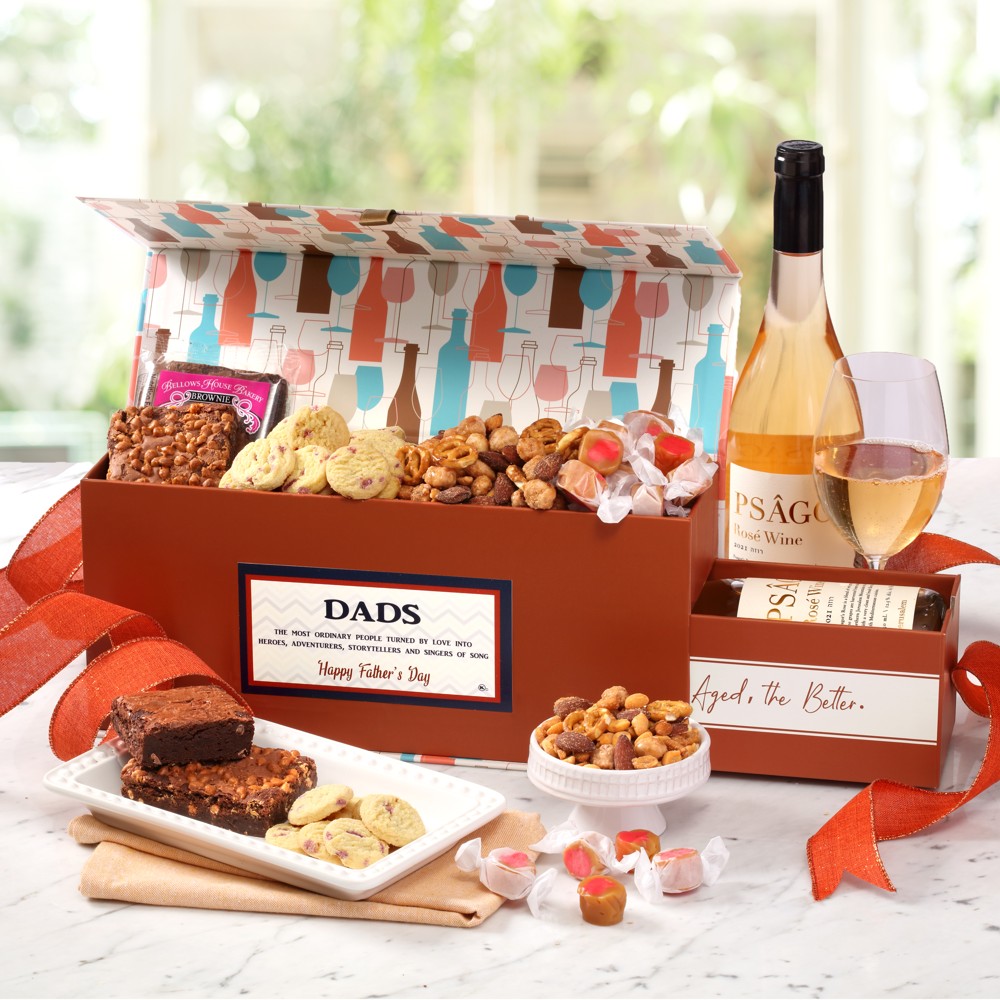
If you have a large group of recipients who don’t know each other (like an office department), do not try to tailor everything perfectly. Instead, choose one or two reliable, low-effort themes that fit everyone—a high-quality gourmet snack box, a universal scented candle, or a beautiful plant. These are your anchor gifts. They signal effort without requiring deep personal knowledge of every individual's tastes.
For those closer friends and family, you can apply the "one core interest" rule. Instead of buying five different things for one person (a mug, soap, book, etc.), pick one category they love—say, reading—and invest in a high-quality item within that niche, like an elegant bookmark or a personalized library stamp. This focused approach is the core secret to easy gift curation for non-gift-giving people.
The Power of Shared Experiences Over Tangible Goods
One of the most impactful realization for those struggling with this task is realizing that experiences are often better and easier than things. If you can't find a physical object, suggest or curate an activity together (or for them to do alone). This could be:
- A gift certificate for a local coffee shop pairing session.
- Tickets to a local museum exhibit they wanted to see.
- A curated playlist of music perfect for their mood.
My cousin Sarah struggled with this until she adopted the "experience first" rule. For her friend's birthday, instead of buying makeup (which is highly subjective), she bought two tickets together to an obscure outdoor market and spent the afternoon exploring, making the time the gift. It was a revelation for both of them, proving that sentimentality doesn't require Amazon Prime delivery.
Leveraging "The Three Buckets" Strategy
When faced with a blank slate, don't browse general stores; funnel your ideas into three specific, low-effort buckets based on the relationship depth:
- The Acquaintance Bucket: Focus on universally safe items (gourmet coffee, nice hand lotion, fancy tea). These require zero deep knowledge of the person.
- The Friendly Bucket: Focus on shared interests or mild complaints they’ve mentioned (e.g., if they complain about stress, gift a nice weighted eye mask).
- The Close-Circle Bucket: This is where you can get slightly more specific—a book by their favorite author, or a specialized snack related to a hobby.
This system acts like a mental filter, immediately narrowing your options and preventing decision fatigue from becoming an insurmountable wall. It’s the scaffolding that allows for truly easy gift curation for non-gift-giving people.
"The best gifts are those given with intention, not necessarily expense." — Attributed to various gifting experts.
Planning Ahead: Systems That Remove Stress
If you wait until December 2024 to start thinking about gifts for January 2025, you are setting yourself up for failure. The greatest secret weapon in this field is proactive planning. Treat gift giving like managing a small project.
Start tracking key dates and milestones (birthdays, anniversaries) immediately after they happen. When you see an event, don't just note the date; jot down one or two potential "interest flags" about that person. Does she love dogs? Does he work from home? Is she into gardening? These small notes build a cumulative knowledge base and make easy gift curation for non-gift-giving people feel less like magic and more like good record-keeping.
Do you really have to buy something every time, or could you simply offer help? Offering to run an errand for a busy friend, cooking them a meal, or giving them two hours of dedicated listening time can be the most genuinely valuable gift of all. Why limit your generosity to dollars and cents?

Cultivating Thoughtfulness That Feels Natural
The goal isn't perfection; it's connection. Remember that gifting is really just an opportunity for acknowledgment. Acknowledging a friend’s hard work, acknowledging a colleague's patience, or simply acknowledging the passage of time together. When you approach it with this mindset—that you are simply validating someone else's existence and effort—the pressure melts away.
If you internalize that 'thoughtful' means effort rather than expense, the anxiety dissipates like smoke in a gentle breeze. You will find that even when tackling easy gift curation for non-gift-giving people, the process becomes less about shopping and more about remembering to pause, observe, and appreciate the people around you.
Building Your Gift Strategy for Future Connections
Now that you have reframed gifting from an overwhelming chore into a manageable act of recognition, how can you keep this momentum going? Think of your gifting strategy not as a seasonal requirement, but as a continuous practice in paying attention. Start integrating these low-effort habits—like writing down one unique detail about people when you meet them—into your daily life. By making observation a habit, the whole concept of gift giving becomes intuitive, turning what once felt like a major hurdle into an effortless extension of genuine care.
Remember that every small gesture sends ripples outward, strengthening bonds without requiring a massive investment of time or resources. Go forth and observe!